Agritourism in Sri Lanka
Why I am exploring agritourism in Sri Lanka
I did not come to Sri Lanka planning to study agritourism, but looking back, it felt inevitable. My background in interdisciplinary area studies has always made me curious about how people, economy, and nature intersect. This curiosity evolved into a passion while working in experiential education in China, where I noticed how much travelers crave real, local, and hands-on experiences.
Then I moved to Sri Lanka. For me, South China was already lush and green compared to The Netherlands, but Sri Lanka tops both. The climate, the diversity of crops, and the everyday presence of herbs and spices shape daily life here in ways that feel quite remarkable to me. Much of what my mother-in-law refers to simply as medicine grows around the house and is used in daily cooking.
When speaking with visitors here, many praise the island’s kindness, openness, and its still relatively ‘untouristy’ feel. That might be why many enjoy taking cooking classes and staying in homestays.
Let’s zoom out: Sri Lanka’s tourism industry is a vital part of the economy, and while the government focuses on high-level strategies to meet traveler needs, I am focused on the ground. With agriculture as a primary industry and tourists clearly interested, I aim to understand how agritourism is actually developing in practice.
As an independent researcher, I am working to uncover the reality of running an agritourism business—learning directly from the owners, managers, and field-workers who do the work. From the tourists, I want to know: do these experiences actually meet what they are looking for?
Sri Lanka is now among the top fastest-growing travel destinations
in Asia.
Agriculture employs
roughly a quarter of Sri Lanka’s
workforce.
Nature-integrated
stays are the fastest-
growing accommodation
types.
A stack of king coconuts by the roadside.
They’re hard to miss in Sri Lanka!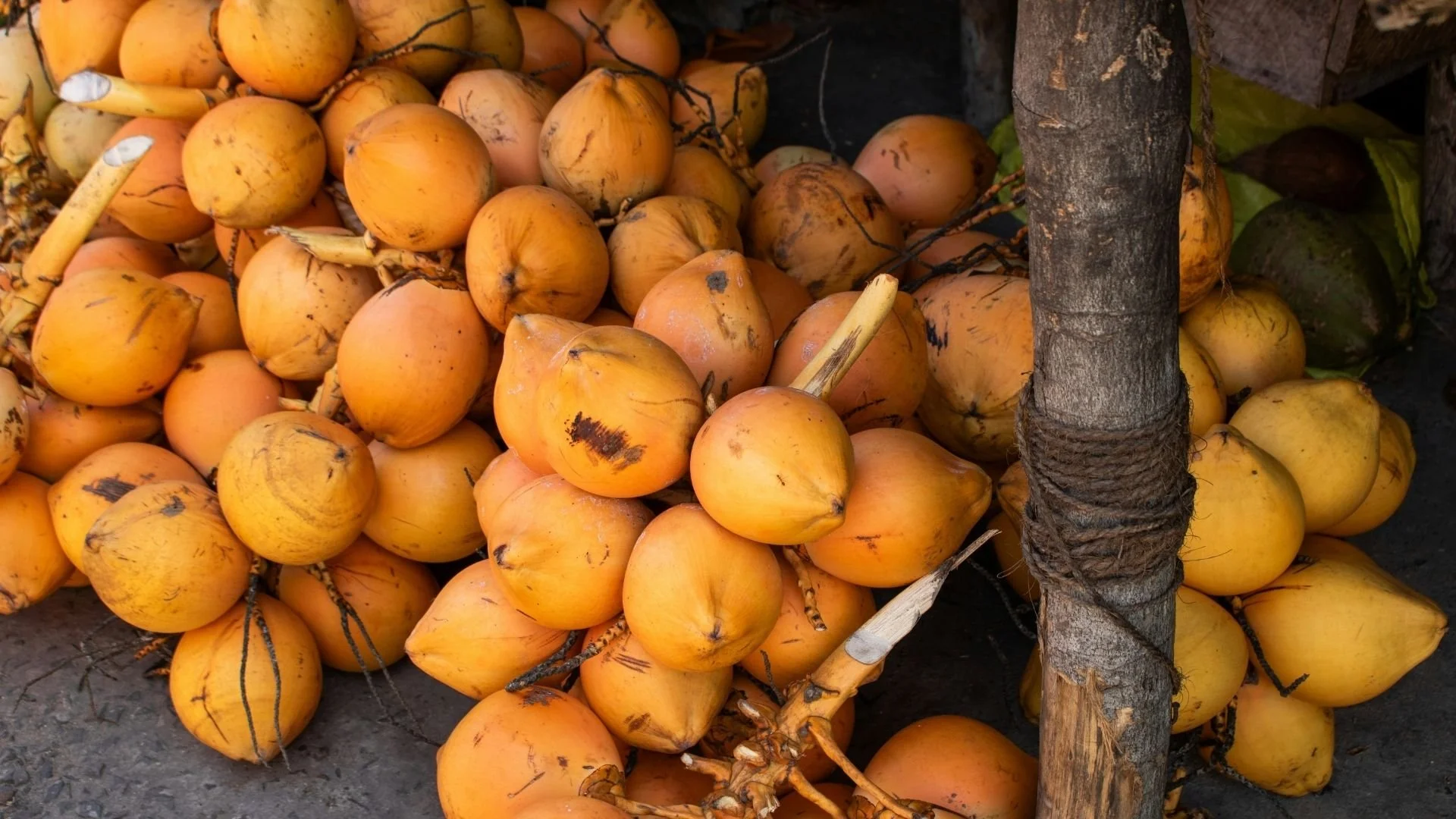

What Green Lanka is and isn’t
What Green Lanka is:
The Reality on the Ground: I visit agritourism accommodations to observe how they operate in daily life. It is a combination of using my background in social studies and engaging in genuine conversations to uncover the real story behind the business.
Diving into detail: Beyond daily operations, I aim to uncover the practical "do’s and dont's" for those interested in the industry. For example, I investigate which crops thrive in a polyculture system that also serves to educate tourists. I also look at the technical side, such as how renewable energy—like solar power—can be effectively integrated into both agriculture and guest accommodations.
A Multi-Sided Perspective: While most tourism platforms focus solely on the guest experience, I gather insights from owners, managers, and the people working the land. This allows for a more complete picture of how agritourism affects everyone involved.
A Living Record: I share my findings as they happen. This isn't a final, static report; it is an evolving account of what I am learning about the intersection of tourism and agriculture in Sri Lanka.
Connecting the Dots: I take "big picture" concepts—like economic trends and environmental impact—and explore how they actually play out within a small farm or a family-run homestay.
What Green Lanka isn’t:
A Travel Agency: I do not sell tours, accept commissions, or facilitate bookings. My analysis is entirely independent; if I highlight a location, it is because it provides valuable insight into the industry, not because of a commercial partnership.
A Rating or Review Site: This project is not about "5-star" ratings. Instead of subjective reviews, I focus on the structural reality of these businesses—evaluating their sustainability and whether they truly align with the evolving expectations of modern travelers.
Official Government Policy: While I monitor national tourism strategies and economic data, I operate independently. My goal is to provide a "ground-up" perspective on agritourism that complements, rather than represents, official state narratives.
A Traditional Academic Thesis: While I apply the skills gained from my MA in Area Studies—such as ethnographic interviewing and qualitative observation—this is not a strictly academic project. My goal is to bridge the gap between formal research and industry practice, using tools like video and deep-dive interviews to showcase the reality of agritourism in a way that is accessible and useful for everyone.